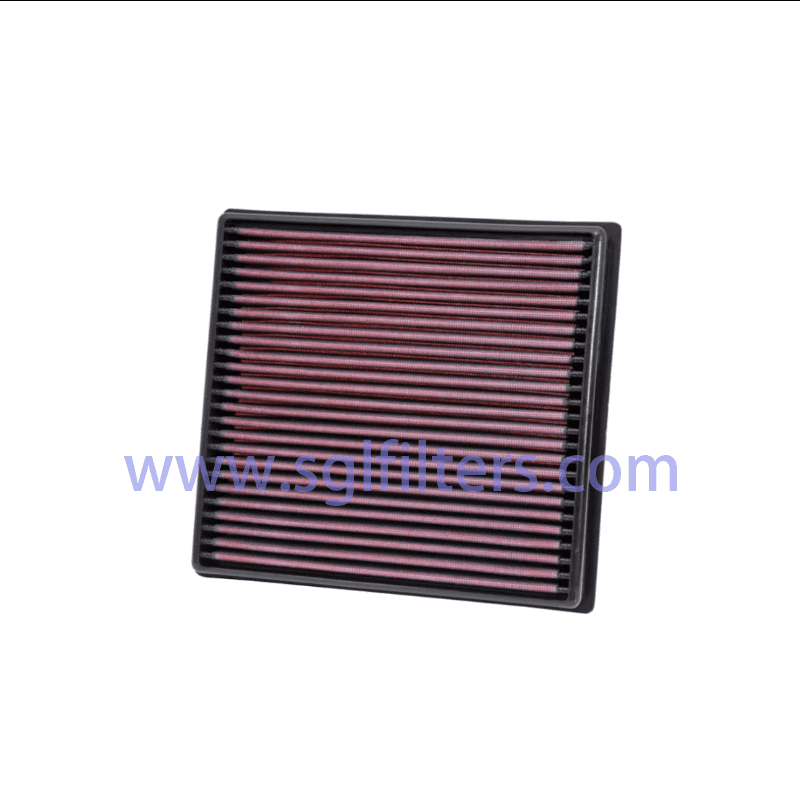
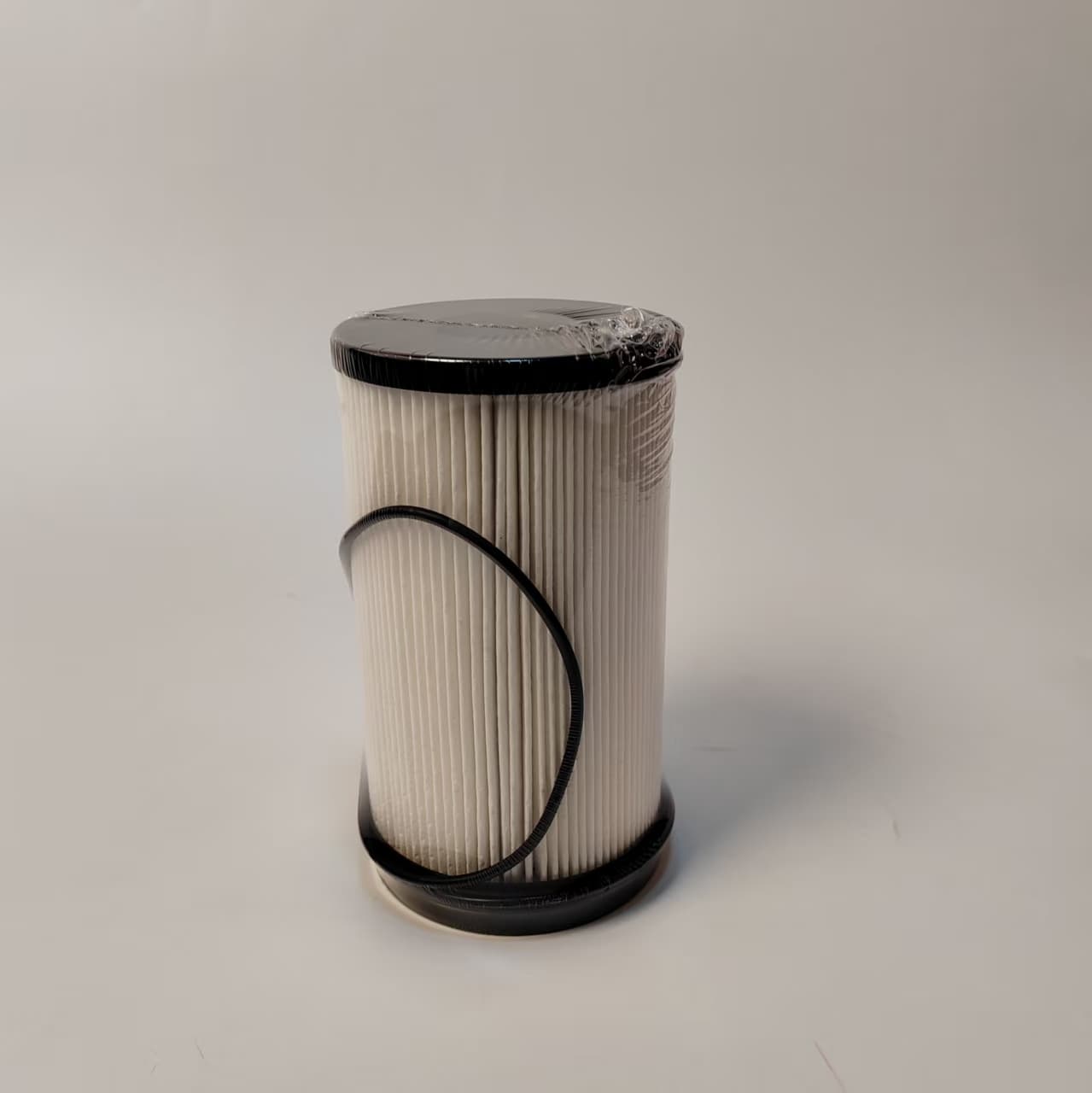
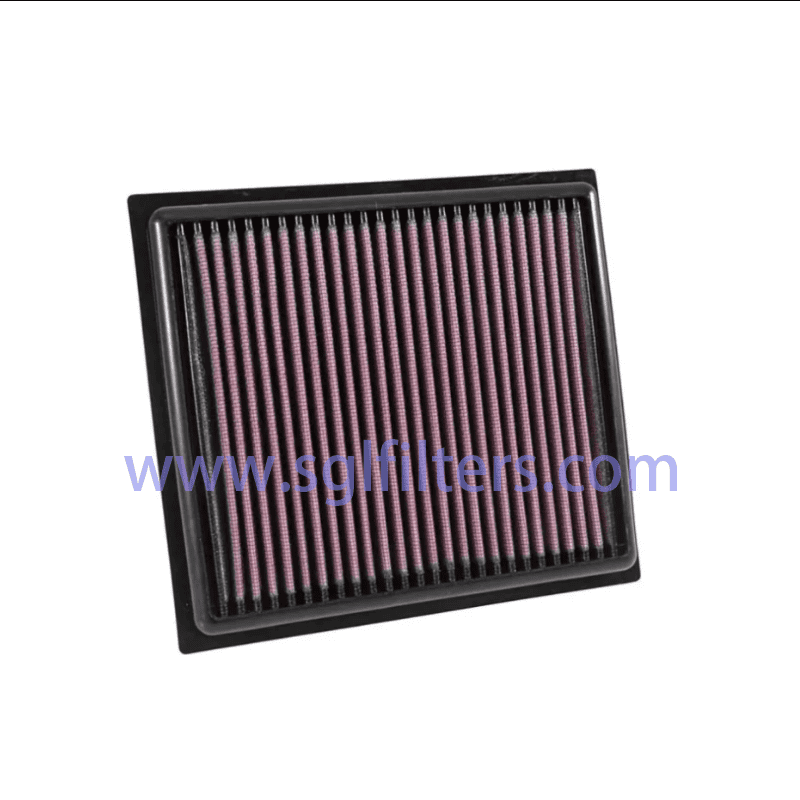
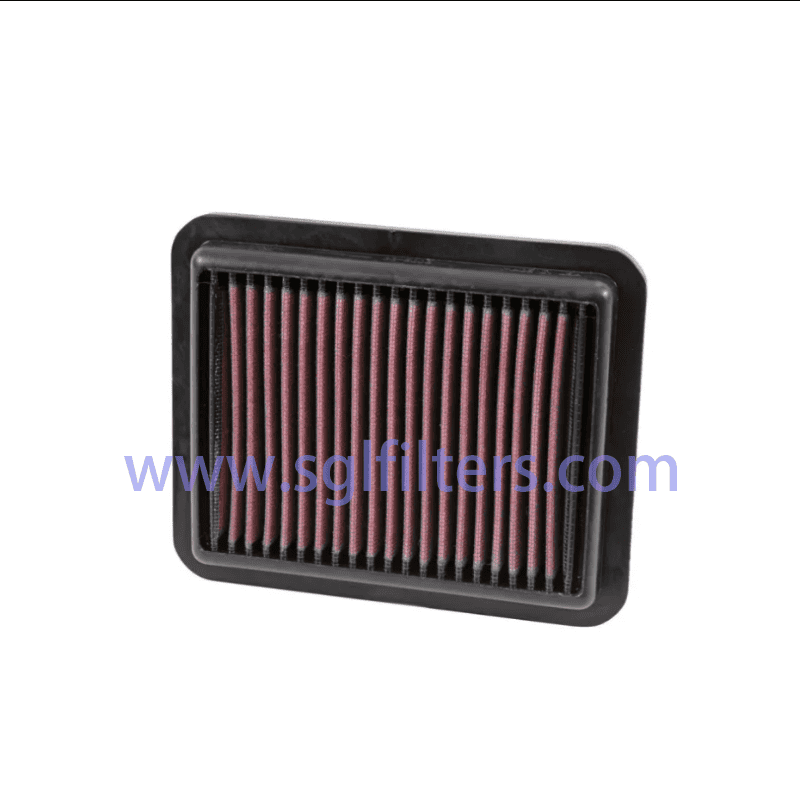
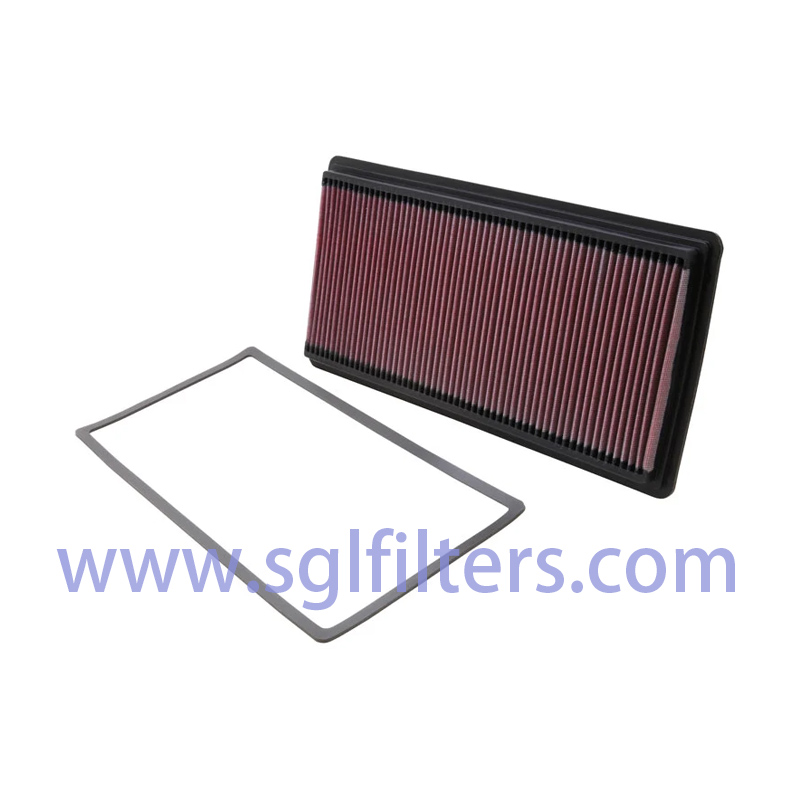
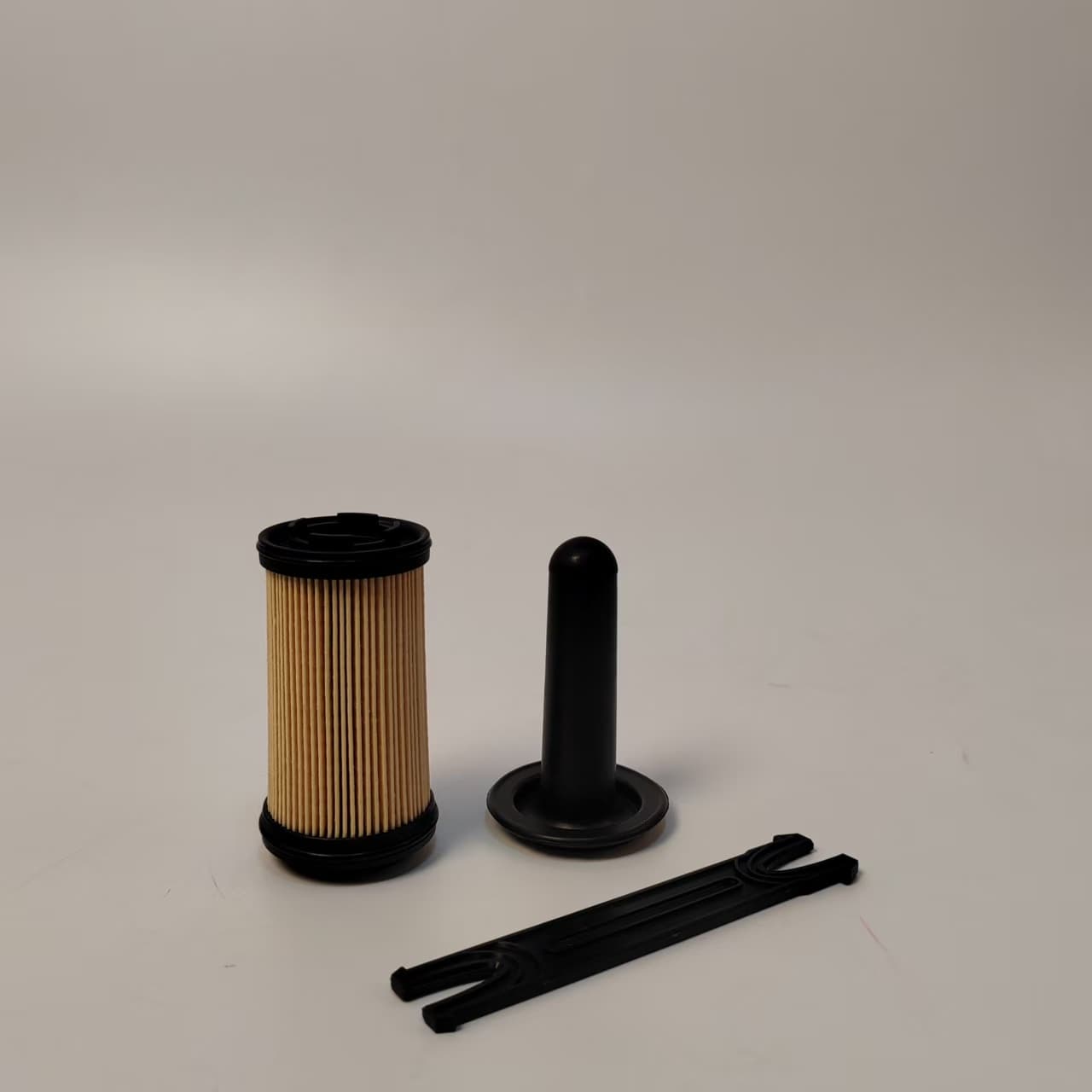
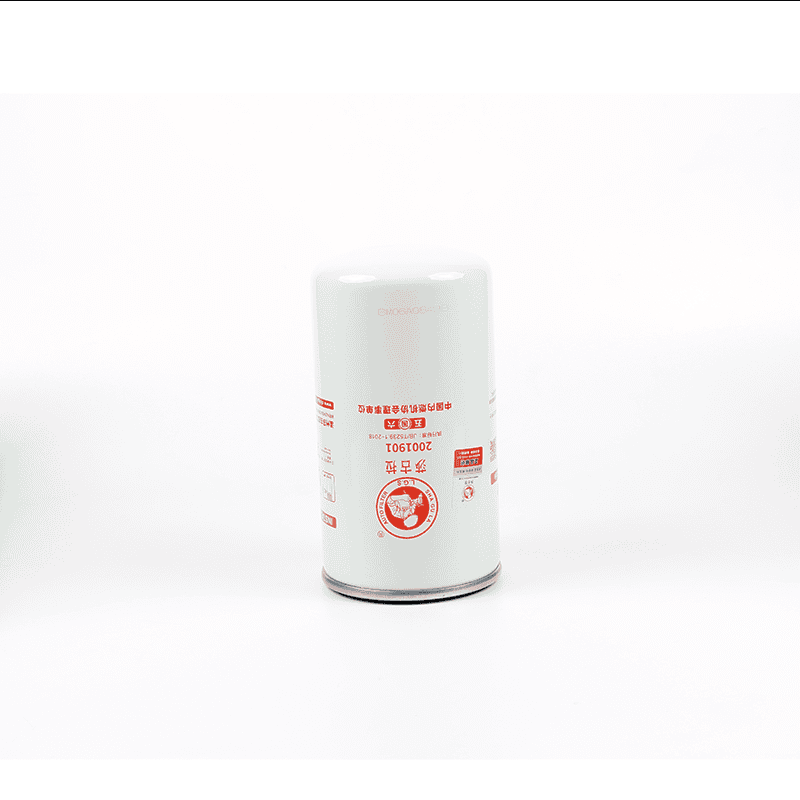
2001901 Fuel Filter Model 2001901 is a widely used spin-on integrated fuel and water separator filter, designed for mainstream light commercial trucks, farming equipment and small stationary diesel engines. Adopting premium multi-layer reinforced filter media, this filter efficiently captures dust, rust, sediment, sludge and colloidal contaminants mixed in diesel fuel, while separating free water effectively from the fuel flow. It delivers full protection for fuel injectors, fuel pumps and delicate engine internal components against clogging, abrasion and water-induced corrosion. Manufactured strictly to original OEM dimension standards, it supports direct plug-and-play installation without modification. Featuring stable fuel flow, excellent contaminant holding capacity and affordable aftermarket price, it is a practical maintenance spare part for auto repair shops, farm fleets and global filter wholesale dealers.
Core material and internal structure:
Preparation: Power off the engine fully, close the fuel inlet valve to cut fuel supply and release residual pressure in fuel pipelines. Prepare a filter wrench, absorbent rags and a container to collect spilled diesel.
Remove old filter: Unscrew the old filter counterclockwise completely. Clean the mounting base thoroughly to wipe away old gasket residue, dirt and residual oil thoroughly.
Gasket preparation: Coat a thin layer of clean diesel evenly on the new rubber sealing gasket. Do not use grease, which will cause rubber aging and sealing failure.
Install the filter: Hand tighten the 2001901 filter clockwise until the gasket fits tightly against the base surface, then turn an extra 3/4 turn with a wrench. Do not over-tighten to avoid thread damage and gasket deformation.
Leakage test: Restore fuel supply and run the engine at idle for 3 to 5 minutes. Inspect the connection position carefully; installation succeeds if no fuel leakage appears.
Replacement cycle: Replace regularly under normal road or farm working conditions. Shorten the replacement cycle when working in muddy farmland, dusty construction sites or using low-quality diesel fuel.
Read More





 IPv6 network supported